Related Articles
- 8 Innovative Password Safes Released Since 2019 Changing How We Protect Our Digital Lives
- Top 6 Revolutionary Password Vaults Debuting Since 2019 That Are Disrupting Cybersecurity Norms
- 7 Innovative Browsers Released Since 2019 That Redefine Online Confidentiality and User Control
- Exploring Psychological Barriers to Adopting Enhanced Mail Safeguards Among Diverse User Groups
- Top 6 Privacy-Focused Browsers Launched Since 2019 That Outsmart Data Trackers Effortlessly
- How Antivirus Software Influences Environmental Footprints: Assessing Energy Use and Electronic Waste Trends
How Historical Ciphers Influence Modern Digital Mail Security: Lessons from Forgotten Codes and Practices
How Historical Ciphers Influence Modern Digital Mail Security: Lessons from Forgotten Codes and Practices
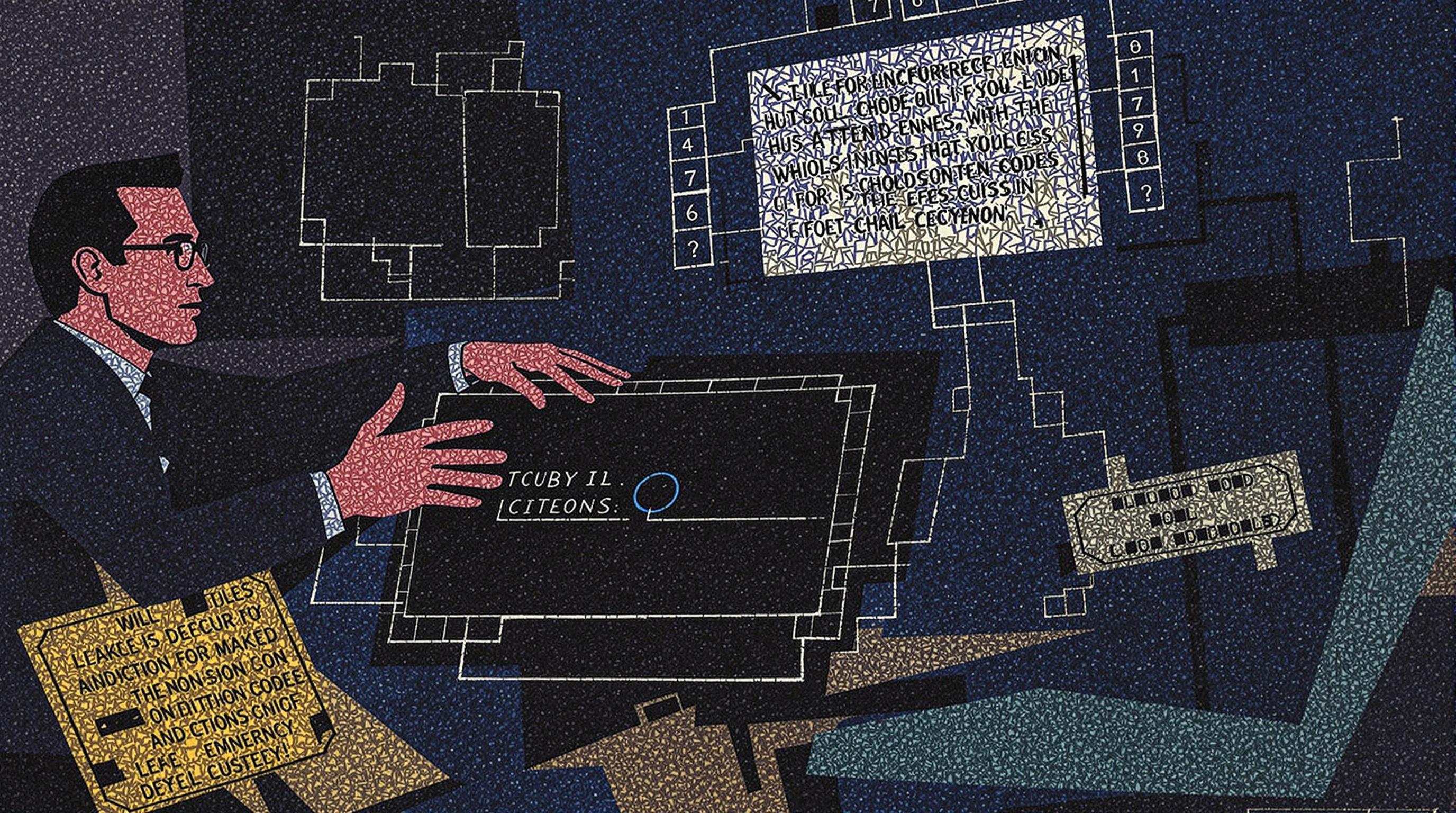
From the simple substitution ciphers of antiquity to today’s quantum cryptography, the legacy of historical encryption profoundly shapes modern digital mail security. By reflecting on age-old codes and forgotten practices, we uncover valuable lessons that fortify our defenses against today's cyber threats.
A Brief Tale of The Caesar Cipher: More Than Just Julius’ Secret
Imagine you are a Roman general sending a secret order to your legions; shifting letters around so only trusted commanders can read it. This idea, now famously known as the Caesar cipher, is among the earliest recorded cryptographic methods. Despite its simplicity, the principle of substitution and obfuscation introduced by Julius Caesar himself still underpins many modern encryption systems.
This ancient cipher's main weakness? It’s easily cracked using frequency analysis—even a novice cryptanalyst could break it within minutes. But the very need to protect sensitive information triggered centuries of cryptographic evolution, shifting the focus from mere secrecy to structural robustness. One might say the Caesar cipher planted the seed for today’s complex algorithms.
Modern Mail Security: Evolving from the Past
These days, when you hit “send” on your email, an astonishing 90% of messages in corporate environments use some form of end-to-end encryption, often relying on public key infrastructure (PKI) protocols like PGP or S/MIME. While these are far more advanced than Caesar's simple substitution, the essence remains: secure the message from sender to receiver so that no untrusted party can decipher it.
Historical practices, such as the one-time pad used during World War II, remain cornerstones in understanding information-theoretic security — perfection in cryptography that absolutely prevents interception when implemented correctly. Digital mail borrows heavily from these principles, striving to make interception useless.
Storytime: The Zimmermann Telegram and Cipher’s Role in World Politics
It’s 1917. A secret telegram sent by Germany to Mexico proposes an alliance against the United States during WWI. British intelligence intercepts and decrypts this communication, a feat that hinges on cracking a complex code. The leak of the Zimmermann Telegram alters the course of history, convincing the US to enter the war.
This incident is a powerful case study on how historical codes shaped not just military tactics but the fate of entire nations. Lessons from the vulnerability of historical ciphers directly paved the way for stronger, more resilient encryption methods protecting today’s digital correspondence worldwide.
Casual Chat: Why Should You Care About Old Codes When You Just Want to Text Your Friends?
Okay, so you’re probably thinking, “Cool history lesson, but I care about privacy when I’m Snap-chatting or emailing my prof. Why look back to dusty old scrolls?” Well, here’s the deal: Every message you send online travels through a complex web of servers, potentially vulnerable to interception or tampering.
Understanding historical encryption schemes adds context on how the idea of message confidentiality developed and why current tools look the way they do. For example, the simple concept of key exchanges — swapping secret keys in a way only you and your friend know — was inspired by protocols from the ’70s like Diffie-Hellman, but roots dig back centuries.
Persuasive Pitch: Learning From the Past to Protect the Future
Ignoring the lessons embedded in historical ciphers is like refusing to learn from past failures in any field. Cybersecurity isn’t just about fancy tech; it’s a continual arms race. Attackers constantly evolve, and so must our defensive strategies.
By revisiting forgotten techniques (like steganography — hiding messages in plain sight) and understanding how cryptanalysis methods developed, cybersecurity experts gain insights that inform the design of better algorithms and protocols. It’s not nostalgia; it’s necessity.
Statistical Snapshot: Encryption’s Growing Importance
In 2023, a staggering 45% of data breaches involved unauthorized email access, according to Verizon’s Data Breach Investigations Report. This highlights how crucial it is for digital mail security to stay robust and why lessons from cryptographic history are invaluable.
These numbers reaffirm why digital mail providers invest billions yearly in encryption technologies stemming from ciphers that, on the surface, might seem centuries out of date.
Funny Fails of Early Cryptography That Could Make You Giggle (or Cry)
Did you know Mary, Queen of Scots, was famously undone by a cipher so weak it was cracked within days by her enemies? Her “lethal” encrypted letters, intended to hatch conspiracy plots, ended up costing her her head.
Such historical blunders remind us humorously but starkly that poor cipher design isn't just academic—it has real consequences. Today’s security engineers triple-check their code to avoid such public “oops” moments, ensuring emails are protected not by guesswork but by rigorous science.
Case Study: Enigma Machine — When Mechanical Downtime Meets Codebreaking
The Enigma machine’s complex polyalphabetic cipher during WWII was once thought unbreakable. Yet, a combination of human error, captured devices, and brilliant codebreakers at Bletchley Park, including Alan Turing, cracked it, saving thousands of lives.
This instance perfectly illustrates the interplay between cipher sophistication and implementation vulnerabilities — a lesson as relevant today in software updates and patching security flaws as it was in mechanical wartime gear.
Conclusion: The Past is Prologue in Encryption
From Julius Caesar’s letter shifts to Alan Turing’s early computers and even further back to hidden messages sealed in wax, historical ciphers influence modern digital mail security in profound ways. Their strengths and weaknesses offer timeless lessons, encouraging us to innovate while remaining vigilant against human error and adversarial ingenuity.
Digital mail security stands on the shoulders of ancient giants—reminding us that innovation is not about reinventing the wheel, but understanding its origins to roll smoothly into the future.
Read More